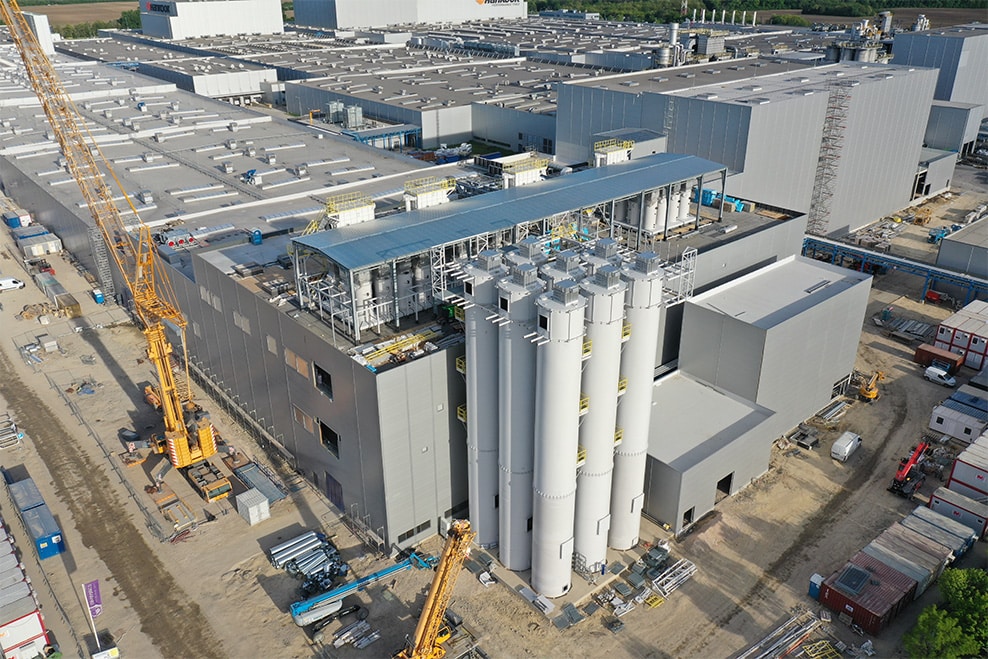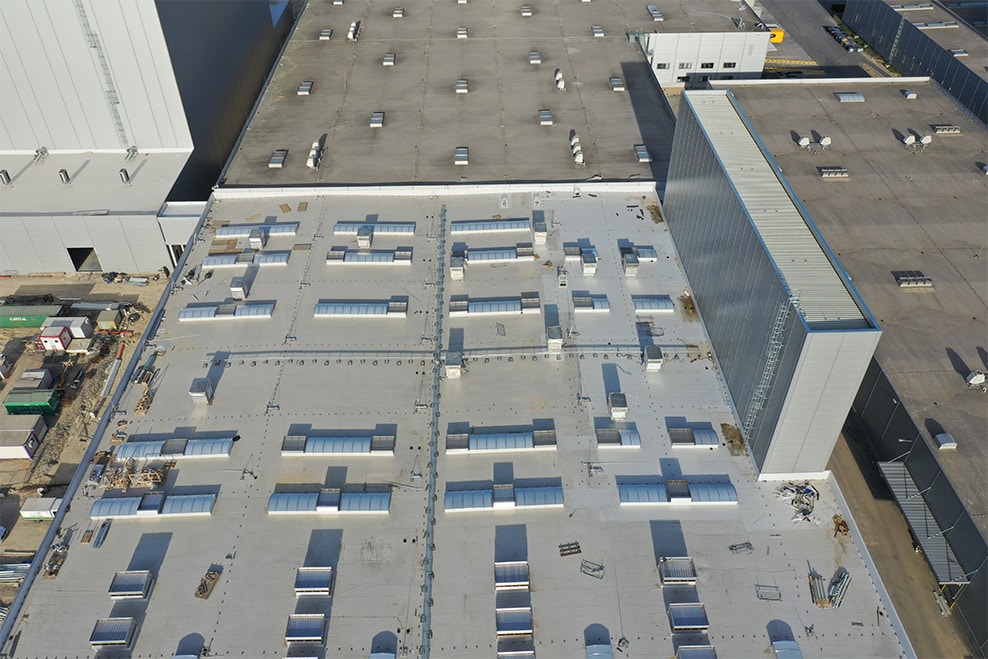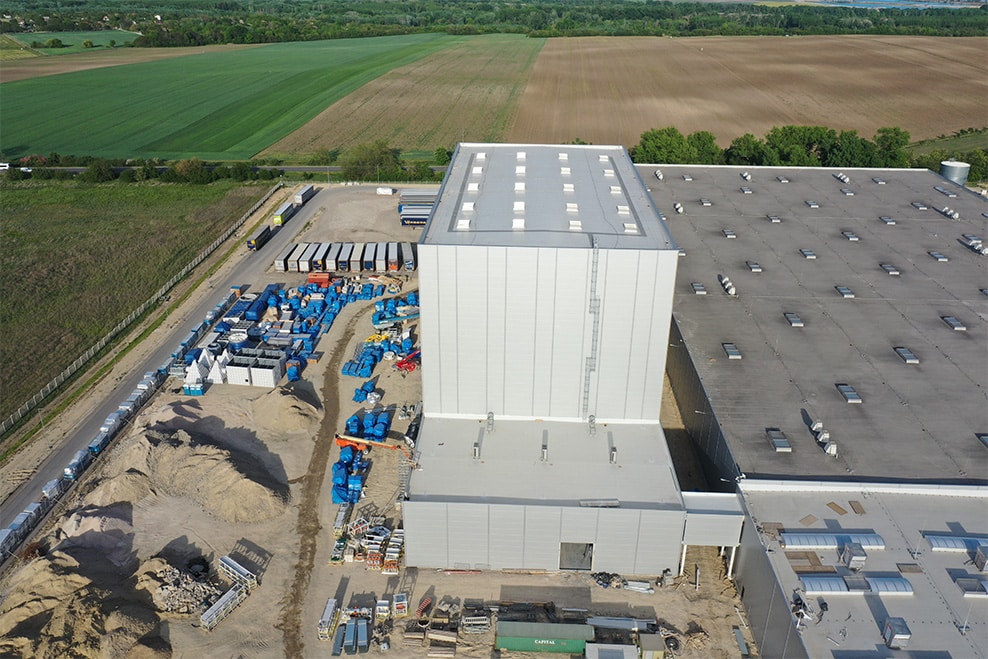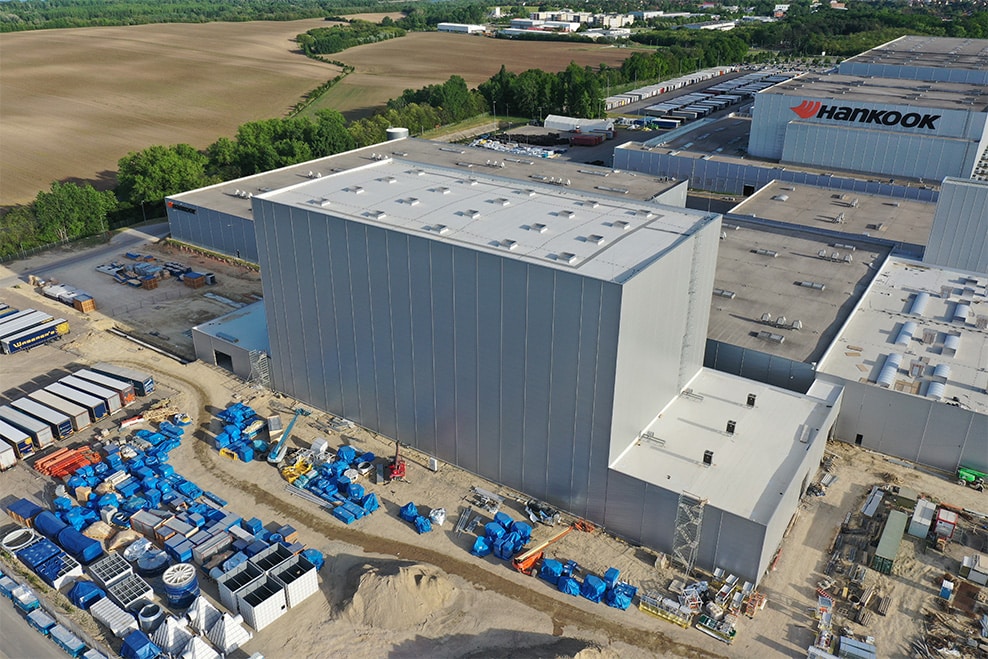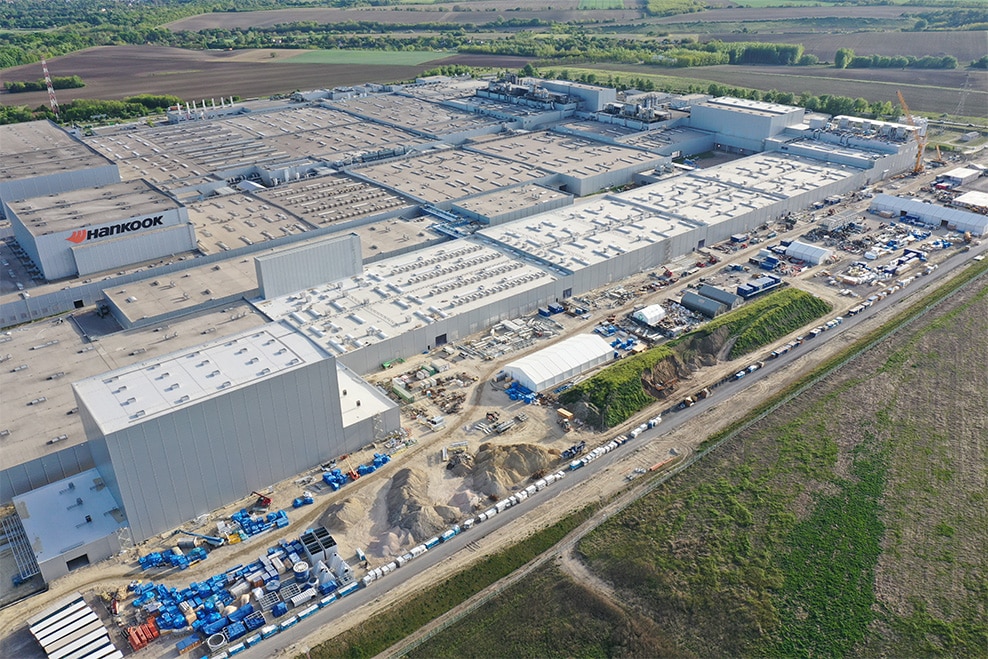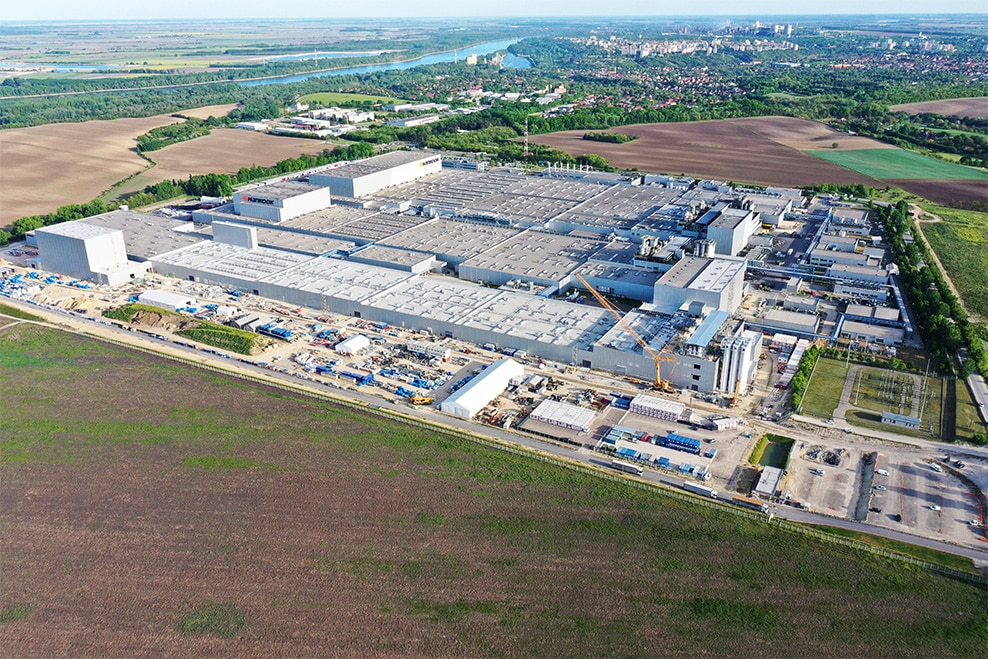
While we see the work taking place on the factory grounds day after day, perhaps few of us truly realize the magnitude of the development unfolding before our eyes. Our plant has reached the threshold of a new era: thanks to the Phase 4 investment, European production of truck and bus tires will soon begin.
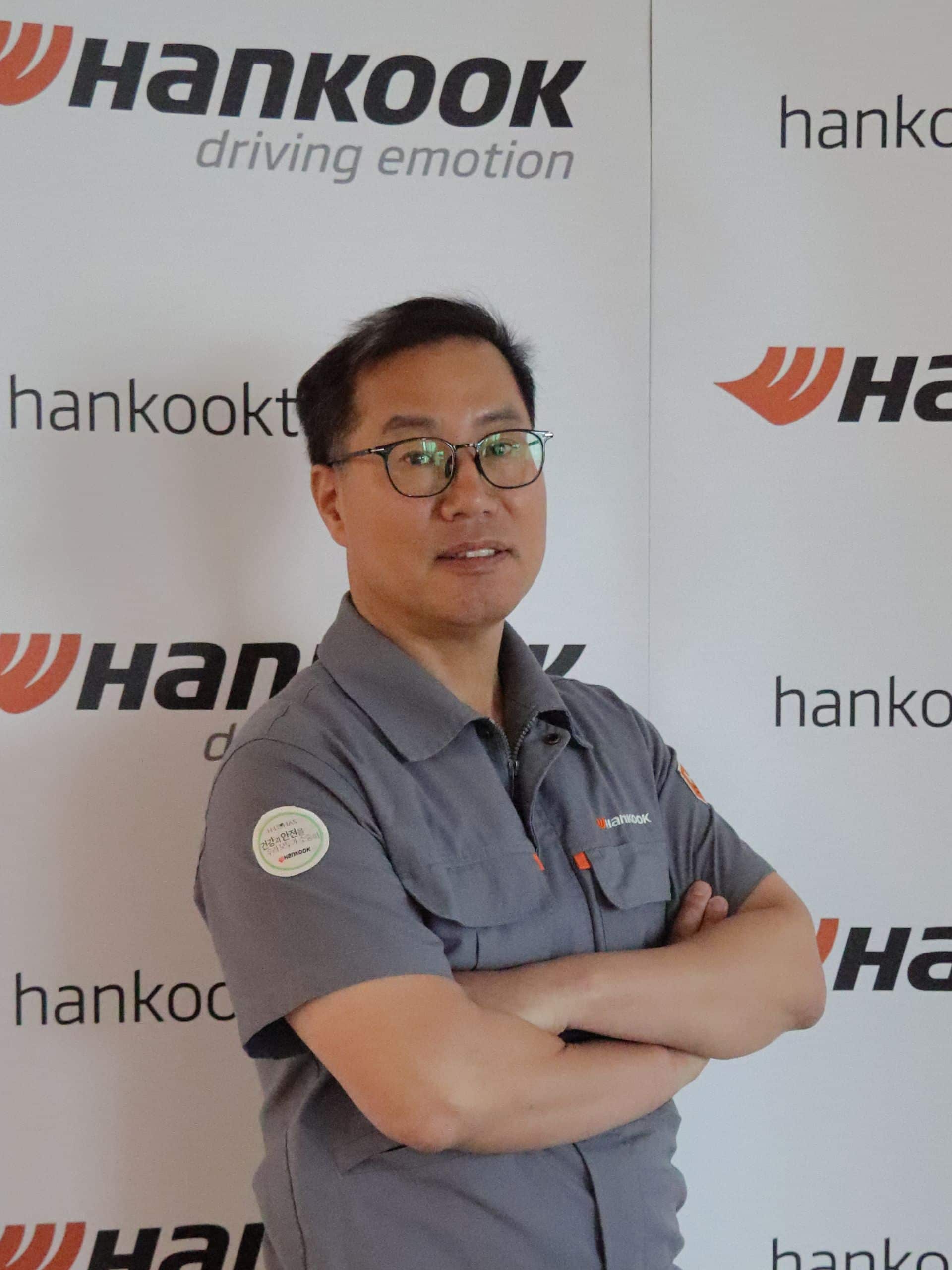
The project is not only a milestone in the factory’s history but also plays a key role in the company’s long-term strategy. We spoke with project Leader Son Hyo Seung before the start of test operations about why this investment is special, what challenges a development of this scale presents, and what it all means for the company’s future.
What is the main objective of the Phase 4 expansion, and what role does it play in Hankook’s long-term strategy?
The main objective of the Phase 4 expansion is to strengthen Hankook’s TBR production capability in Europe and enhance our responsiveness to market demand.
This investment will improve supply stability, shorten delivery lead times, and provide greater flexibility in serving European customers. It also supports our strategy of localizing production to better respond to market conditions, logistics costs, and changing trade environments.
In the long term, Phase 4 will play a key role in reinforcing Hankook’s competitiveness in the European commercial tire market.
In what way does this project represent a milestone in the history of the Hungarian plant?
Phase 4 represents a major milestone because it expands the Hungarian plant beyond passenger car tire production into truck and bus tire manufacturing. This is not simply an expansion of capacity, it is the transformation of the plant into a more comprehensive production hub with broader capabilities and strategic importance for Hankook’s global operations.
How does this investment differ from previous developments?
This investment is significantly different in terms of scale, complexity, and automation. TBR production requires different equipment, manufacturing processes, and quality control systems compared to PCR production. In addition, this new facility is being developed as a highly automated smart factory, with automated logistics systems from semi-finished products to finished goods warehousing.
What are the specific characteristics of truck and bus tire production compared to passenger car tires?
Truck and bus tires are larger, heavier, and structurally more complex than passenger car tires. They require stronger durability, higher load-bearing performance, and longer service life. As a result, manufacturing precision, curing quality, and inspection requirements are much more demanding. The production process also involves larger equipment and more advanced material handling systems.
What kind of collaboration was required between the different departments?
A project of this scale requires close collaboration across all departments. Engineering, production, quality, purchasing, logistics, maintenance, safety and construction teams all needed to work as one integrated organization. Success depends not only on technical execution but also on communication, fast decision-making, and strong teamwork.
What has been the biggest challenge of the project so far?
One of the biggest challenges has been coordinating multiple global suppliers, contractors, and engineering teams while keeping the project on schedule. At peak periods, engineers and contractors from many different countries have been working simultaneously on site, making communication, alignment, and schedule management critical.
From a project leader’s perspective, what does coordinating an investment of this scale entail?
It means managing not only equipment and construction, but also people, risks, priorities, and countless daily decisions. A project leader must constantly balance schedule, quality, cost, and operational readiness while ensuring that all stakeholders remain aligned toward the same goal.
Which achievement are you most proud of so far in the project?
What I am most proud of is the teamwork that made this possible. Despite the complexity and pressure, teams from different departments and countries worked together with commitment and professionalism to bring the project close to completion.
What message would you convey to your colleagues at this stage of the project?
We are entering the most critical stage of the project.The building is nearly complete, and equipment installation is progressing well, but the final phase – commissioning and production startup – requires even greater focus and teamwork.Thank you for your dedication so far, and let’s work together to achieve a successful launch.
Please summarize in one sentence what Phase 4 means for Hankook!
Phase 4 is a strategic leap forward that strengthens Hankook’s competitiveness, resilience, and future growth in the European commercial tire market.