
Christmas is a special time around the world when different cultures celebrate in their own unique ways. This is reflected in Hankook’s diverse team, with colleagues from all over the world. The special traditions show that although the way of celebrating may be very different, sharing a meal, being together as a family and respecting traditions are important everywhere. Let’s take a closer look!
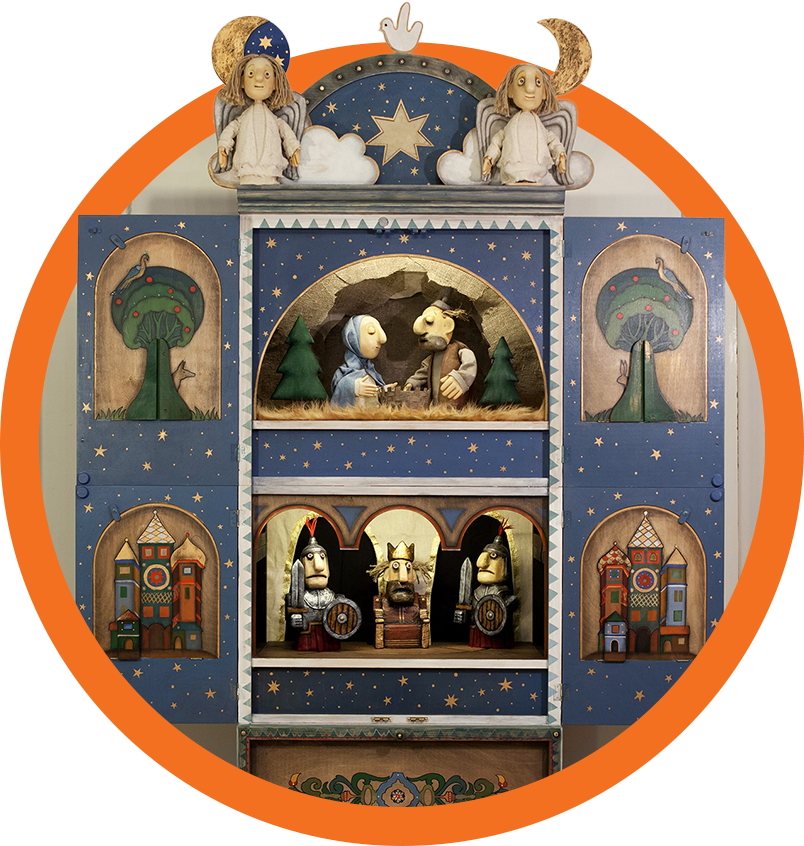
In Ukraine, the winter festive cycle is extremely rich. Christmas is celebrated on 24 December and 6 January, while New Year is celebrated on 1 January and 13 January. At the festive dinner, 12 dishes are served, symbolizing the 12 apostles of Jesus. Often a straw is placed under the table, a reminder of the manger of Bethlehem. A Christmas carol, the “koliadki”, plays an important role as children go from house to house singing and making good wishes. It is also customary to perform “vertep”, a traditional puppet show. And what few people may know is that a Ukrainian composer is also responsible for one of the world’s most famous Christmas melodies: the Ring Christmas Bells, popularly known from the film “Shchedryk” or “Home Alone!”.
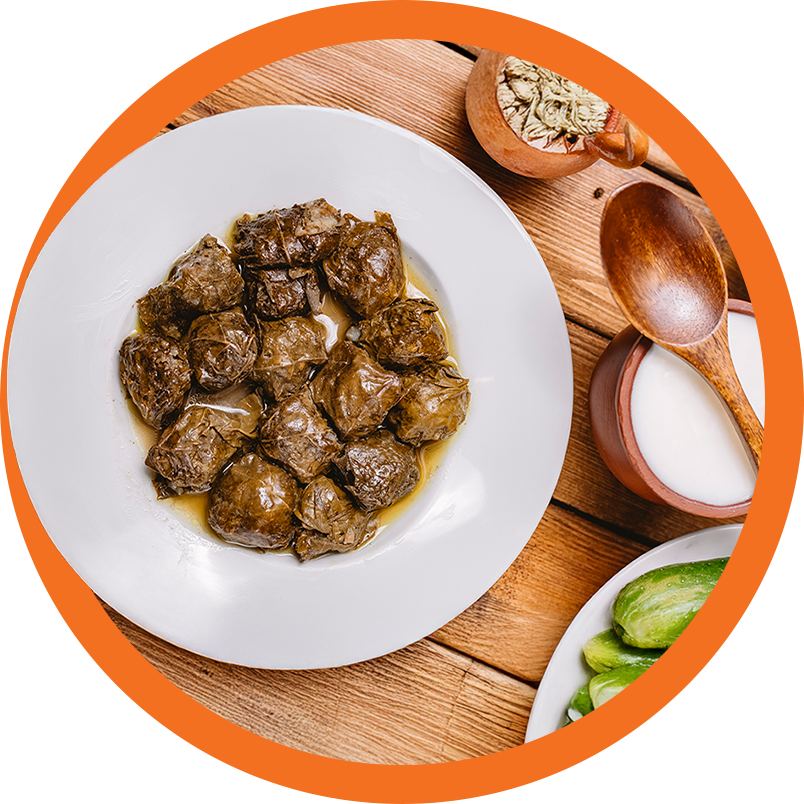
In Mongolia, the most significant event of the winter season is Tsagaan Sar, the White Moon Festival, which marks the beginning of the lunar new year. Families gather to celebrate together and give honour to their elders. Their traditional dishes include ‘buuz’, a steamed meat dumpling, and ‘bansh’, which is smaller in size. Mongolians wear new clothes, visit relatives and friends, and exchange gifts. The custom also includes rituals around a fire to ward off evil spirits and attract good luck. Shamanistic elements also feature in the celebrations.
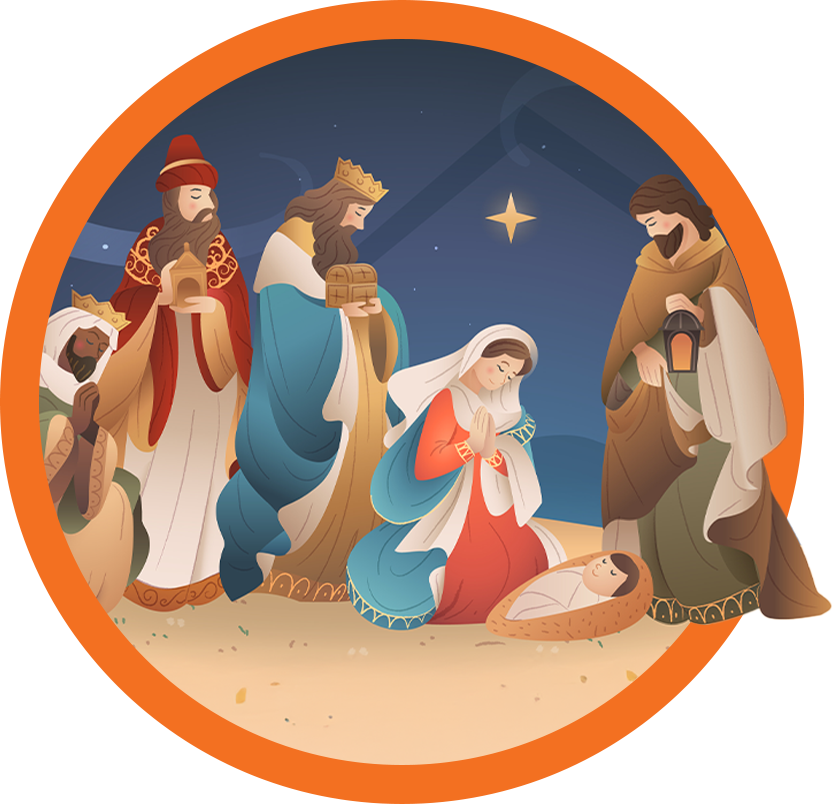
In Hungary, Christmas is one of the most important family holidays of the year, celebrated from 24 to 26 December and often crowned by a longer holiday. On 13 December, they begin to assemble Luca’s chair, which must be made from 13 types of wood in 13 days. Standing on it, according to popular tradition, you can see the witches on Christmas Eve, at midnight mass.
Traditional dishes include fish soup, stuffed cabbage and bejgli, made with poppy seed or walnut filling. The festive table often includes gingerbread and Christmas candies. Decorating the Christmas tree is a common family activity. Children are excited to see Santa Claus or the Angel who brings the presents. It is also a custom to attend midnight mass. There is also the tradition of the nativity play, when the story of Jesus’ birth is told.
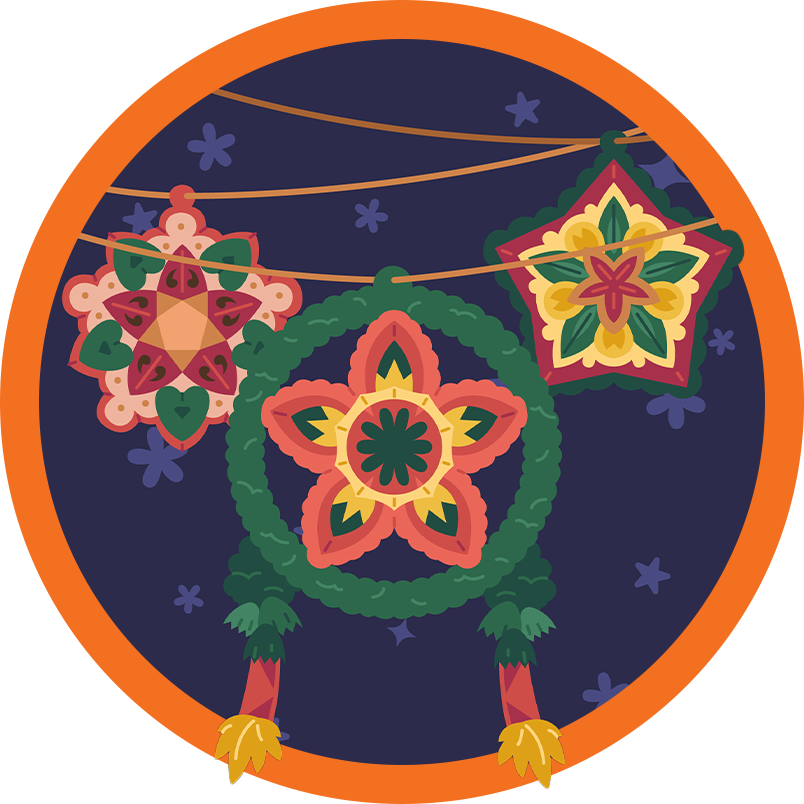
In the Philippines, Christmas is the longest and most important holiday of the year, running from September to Christmas, and is known as the “Ber” months.Houses are decorated with colourful “parols”, star-shaped lanterns that symbolise the Star of Bethlehem. It is also customary for them to attend dawn mass every day from 16 to 24 December, for nine days. Traditional dishes include ‘bibingka’ (rice flour cake) and ‘puto bumbong’ (purple rice cake). An important part of the celebrations is the family dinner on Christmas Eve night, where typical dishes such as roast pig and edam cheese are served. Children go from house to house singing Christmas carols.
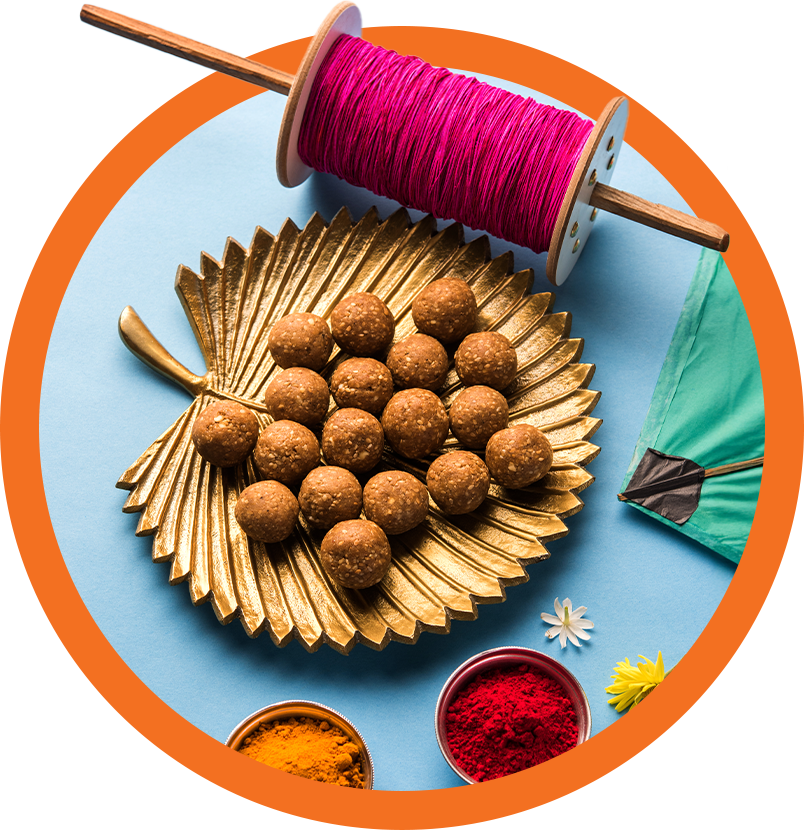
In Nepal, Maghe Sankranti is celebrated in mid-January, marking the beginning of longer and warmer days. It is also a time for harvesting and feasting, as the rice-growing season ends. On this day, families gather to eat special foods such as til ko laddu (sesame sweetmeats), chaku (sugarcane molasses) and sweet potatoes. It is also customary to take ritual baths in sacred rivers, which symbolise purification and good luck. The worship of the sun god and traditional dances and musical performances are also part of the celebration. Although Christmas is not a widespread holiday, Christian communities celebrate it with worship services and family gatherings.
Discover special traditions, taste each other’s festive dishes! We wish you all a happy end of the year!