
In addition to EU directives, Hungarian national efforts and our company’s Environmental Management System also encourage environmental awareness, and we would like to share some useful information with you in the coming Hankook Quarter magazine issues. The topics not only help us to improve our environment, but in many cases we can save money by following the advice, so it is doubly worthwhile to read them.
The amount of rubbish produced by mankind is huge, and its growth threatens wildlife, land and water quality, and contributes to climate change, so it is important to address it. This time the focus is on waste management, and Adrienn Nikolett Farkas, expert in occupational safety and an enthusiastic environmentalist working in EHS Team, has put together to facts for us.
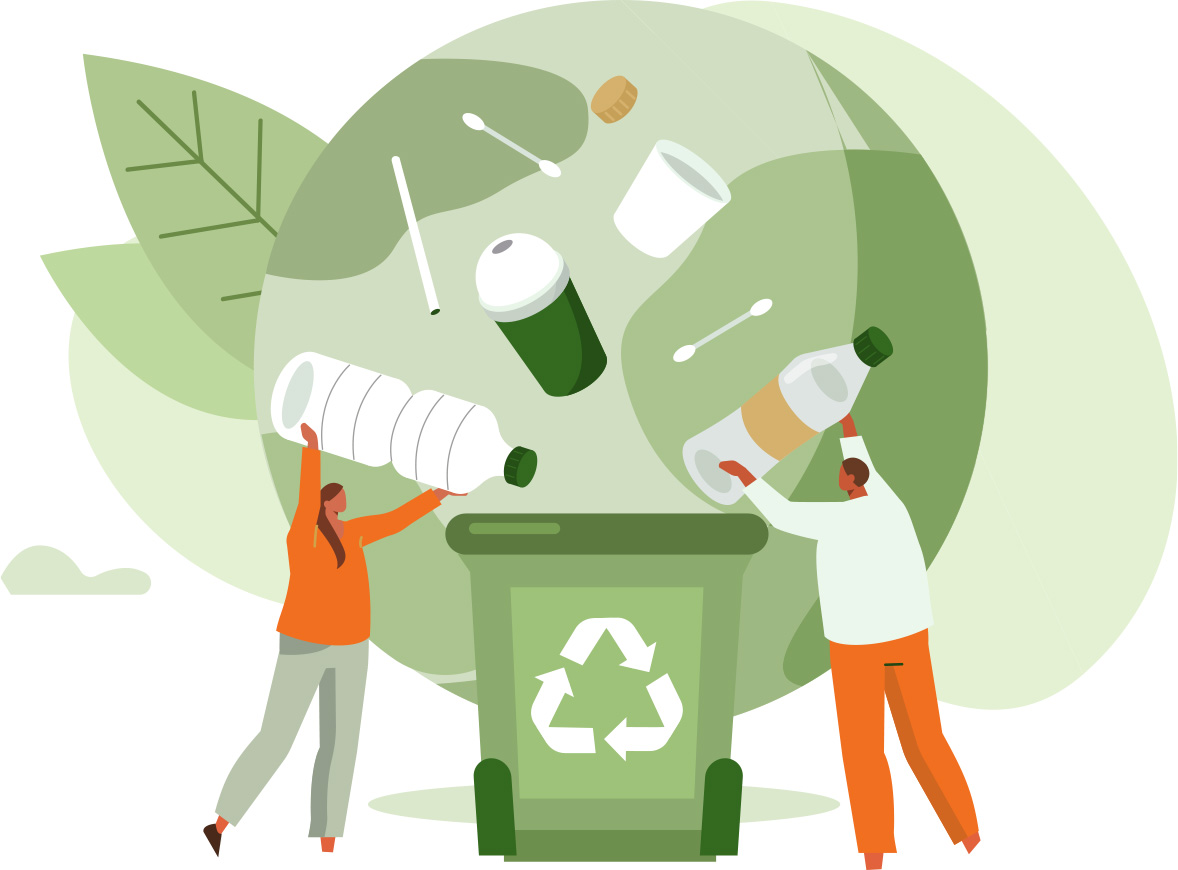
What is the difference between rubbish and waste?
Waste is defined as things that are no longer in use but can still be recycled if properly treated and collected separately. Rubbish is useless material that we cannot or do not want to use any more.
Hankook considers it important to minimize its environmental impact while optimizing production. That is why we recycle 100 percent of the semi-finished and finished product scrap generated during production at our factory in Rácalmás. This means that only 10 percent of all waste is sent to energy recovery or, in the worst case, to landfill as garbage.
We follow the general rule: we focus first on waste prevention, i.e. minimizing the amount of waste generated and minimizing its hazardousness.
Don’t feed the trash bin!
But what does recycling mean in practice in our household? If we pay attention to this, we do not buy more than we need, i.e. we do not feed the bin, because the products we buy in unnecessary quantities become waste.
In particular, we throw away a lot of food – in some countries 40% of the food lands in the bin. It is therefore important to mention conscious shopping, which we can develop by writing a shopping list. It also saves money as don’t buy unnecessary products that end up in the bin. Buying from a local market or producer saves on the cost of packaging, on the waste produced and on the pollution caused by transport. If there is a packaging-free shop near you, it’s worth taking advantage of the opportunity: you can take your food products home from these shops using your own container.
At work, too, we should make sure that there is as little waste as possible. Avoid unnecessary printing and photocopying. Use tools only for the minimum time necessary, without accidents, and don’t waste consumables.
Let’s re-use the products!
Reusing simply means continuing to use a finished product after it has fulfilled its function. Instead of buying more and more soft drinks, it’s worth drinking water from your own bottle and replacing the plastic bag with a canvas or textile bag. Use textile cotton discs as an alternative to make-up remover wadding, and use a metal safety razor instead of a throwaway razor. Paper napkins/paper towels/paper tissues can be replaced with washable wipes. Leftover jars can also be used to store food. Aluminum foil, food-safe foil and disposable napkins can be perfectly replaced by beeswax cloths or textile wipes.
There are green solutions for almost everything nowadays, but it’s important to incorporate what’s convenient for you into your life and the world will be one little step ahead.
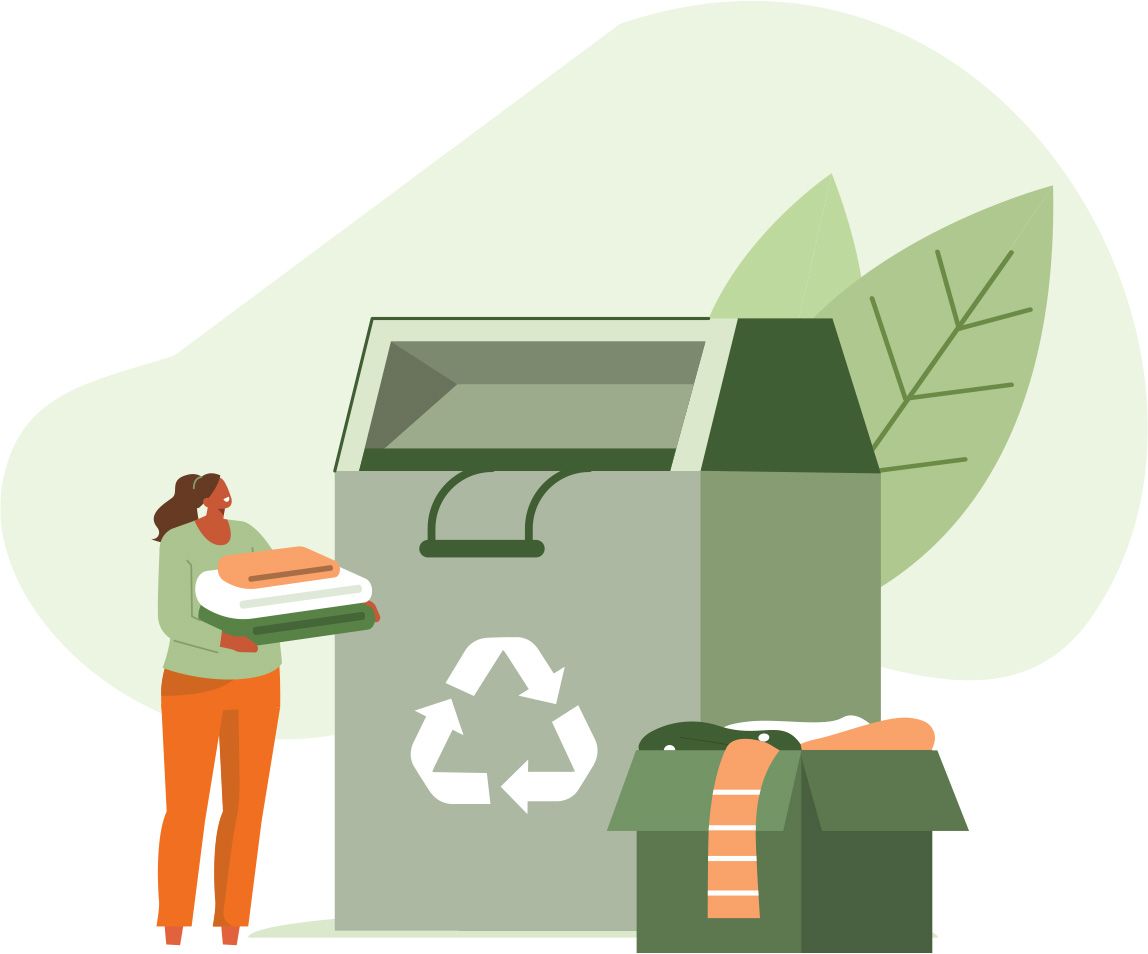
Let’s sell or give away products we don’t need!
Take a look around your home and sell or give away what you no longer need to someone who will use it. There are plenty of places to do this, such as Facebook Marketplace, Jófogás, Vinted, etc., and you can even earn money. It is also cheaper to buy on these platforms. And if you ask for your recycled products to be delivered to a parcel machine, you can reduce the carbon emissions coming from transport by up to a quarter.
It’s good to know that not only used items or clothes, but also food can be redistributed through various platforms, such as the “Food Rescue Group”, which is also managed by Hankook colleagues. But you can also buy leftovers from shops and restaurants at half price via the “Munch” app. In this way, we can help reduce the amount of food that is thrown away. It is important not to pass on spoiled food, as it can cause food poisoning.
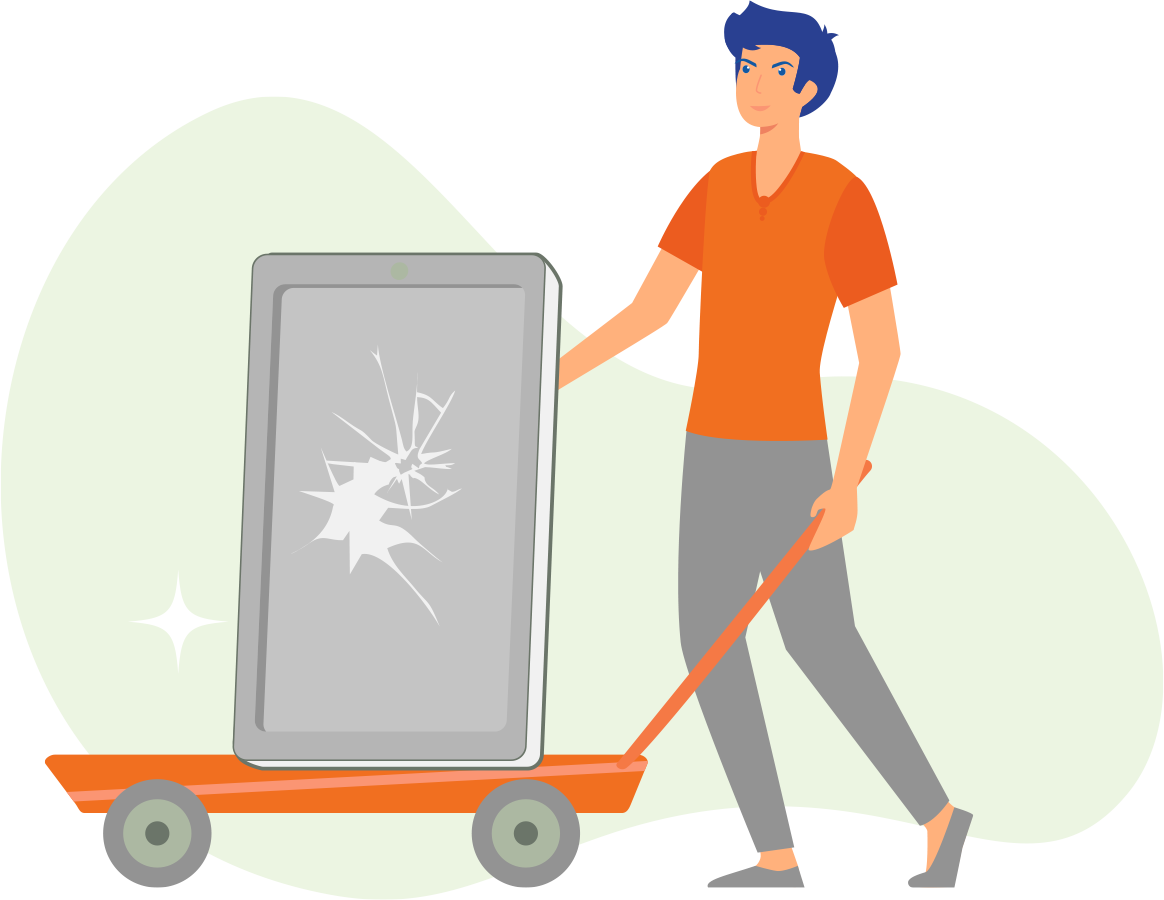
Let’s fix or repair what we can!
Don’t throw everything away immediately! Repairs can extend the life of products and are often cheaper than buying new. Videos on the internet can help. It’s important to do this within reason, don’t repair a dangerous machine at home, get a professional to do it.
If done right, zero waste makes life simpler, not more complicated.
Selective waste collection
Selective collection is the best thing you can do with your waste. It is also mandatory within the company, so our 8 selective islands save around 200 kilograms of municipal waste per month at Hankook alone. However, there are some misconceptions about the issue that need to be clarified.
“Why collect it separately when they’re going to mix it anyway?”
This urban legend is more of an excuse than an argument. We do not claim that this has never happened or does not happen, but it is a qualification of the local service provider, not the whole system. In many places, selective waste is collected in one bag. In this case, (also) post-sorting is done and then the waste is processed. There are also areas where waste is collected by a bin lorry that has a separate internal compartment – so to the outside observer it may appear to be ‘poured in’ into one. Separately accumulated material can be sold as raw material, so it is not worth it for the operator to dump it, as this is where the revenue comes from.
Unfortunately, we are often more likely to “throw the rubbish in the bin” when we put things in the bin that don’t belong there (e.g. communal waste).
“Separate waste collection works the same everywhere”
Separate waste collection is different from area to area and from service provider to service provider. The way in which waste is collected directly from households also varies, and there can also be differences in the type of waste that can be put in which bin. In Dunaújváros, it is unique that milk and soft drink cans with an aluminum inner side have to be placed in the aluminum bin, while in most other municipalities the same is placed in the paper one. It is therefore worth reading the labels on the waste containers.
“Washing bottles is unnecessary and a waste of water”
The flushing of plastic and metal packaging is basically necessary for hygiene reasons, it does not reduce the quality of recycling. It is important to remember that we are talking about rinsing, not washing up, so this means minimal water use. Greasy, contaminated waste cannot be recycled (e.g. the bottom of a pizza box), so we mus take care to avoid contamination from another waste.
“Separate collection = recycling”
Unfortunately, not everything that is collected separately is recycled. What is recycled depends on several factors, such as the type of material, technology, economic and available waste management system, and users. Even if a material can be recycled and there is no collection system for it, if it is not recycled or not recycled properly (e.g. paper becomes greasy), the waste that is thrown away will not be recycled, i.e. it will end up as rubbish.
Let’s contribute to a more environmentally conscious, sustainable lifestyle and collect selective waste properly!

Waste collection-related programmes
Plastic free July
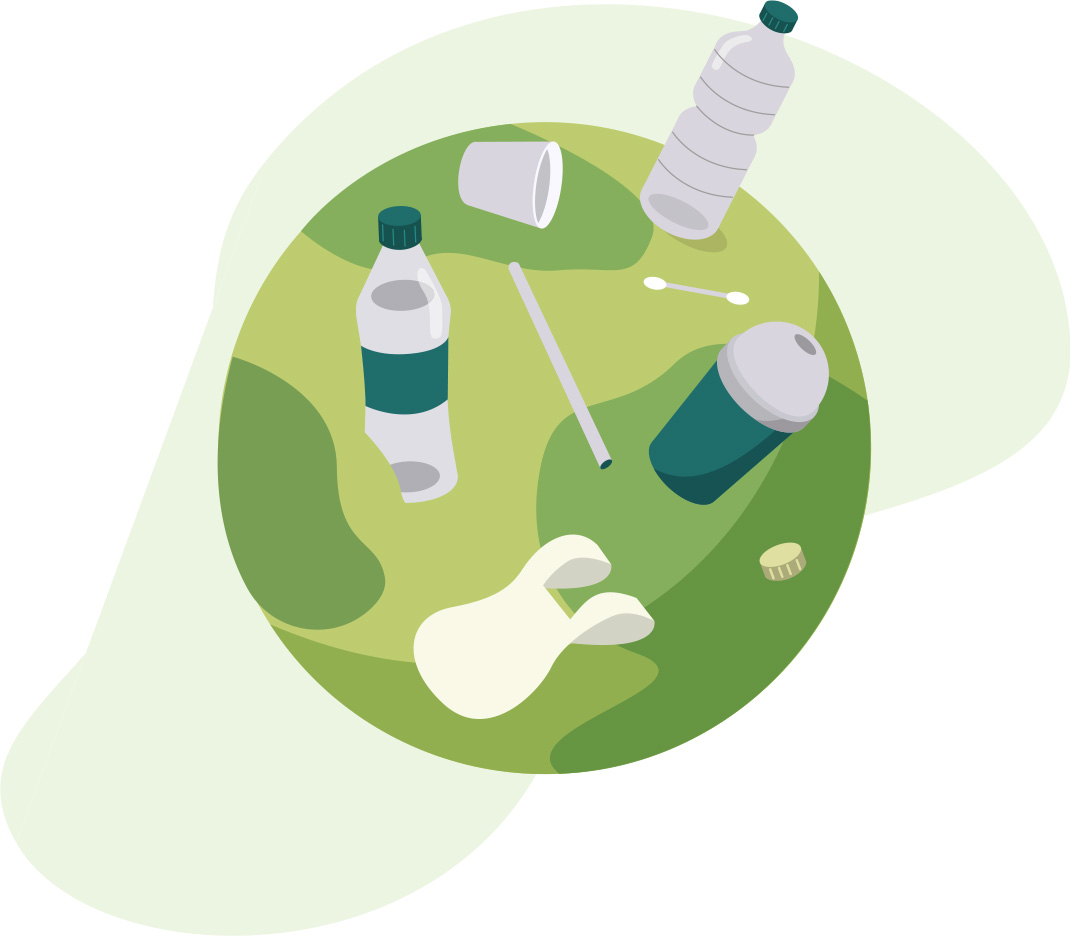
The main problem with plastics is that they do not degrade, they break down until they shrink into microplastics. This gets into the environmental cycle and eventually into the human body. Plastic Free July is one of the best global campaigns for a change of attitude, to try to replace plastic with an alternative or to consider whether we really need the product it is packaged in. This is a great opportunity to try out how we can live more environmentally friendly lives.
Hankook waste collection
On 12 June, the Hankook EHS team organized a waste collection in and around the Hankook House – Hankook factory route. Unfortunately, many people throw away their rubbish, but our company takes responsibility of collecting it. Thank you to the volunteers who joined us! It was a good job!
The environment belongs to everyone, we can do our part any time to make it better together.
Thank you for reading this article, you are one step closer to protecting our environment!