
New Year: holiday variations in the big world
We pride ourselves on our diversity, which is reflected in the fact that the Hankook team is a community that welcomes colleagues from all over the world. As New Year’s Eve approaches, we took a look at how our employees celebrate the New Year. Let’s see the details!


Korea
In Korea, New Year is celebrated twice and in two different ways. First, the New Year is celebrated on the night of 31 December to 1 January, as is customary in Europe, followed – up to weeks later – by the Seollal, as determined by the eastern lunar calendar. The next falls toearly February. The traditional Korean New Year celebration lasts for three days, in honor of which many people don the traditional dress of hanbok and make a moon house. The family table is set with beef rice soup and jeon, or Korean pancakes, as well as the typical non-alcoholic liquor, sikhe.

Hungary
In Hungary, on the night of 31 December to 1 January, people say goodbye to the old year and hello to the new. In the main squares of towns and cities, there are fireworks displays, and the seconds before the New Year are often accompanied by a countdown, followed by toasts, good wishes and trumpet blasts. Champagne, accompanied by lentils and pork-based dishes, is an indispensable part of the festivities. Folklore has it that pigs bring good luck and lentils bring wealth.
Mongolia
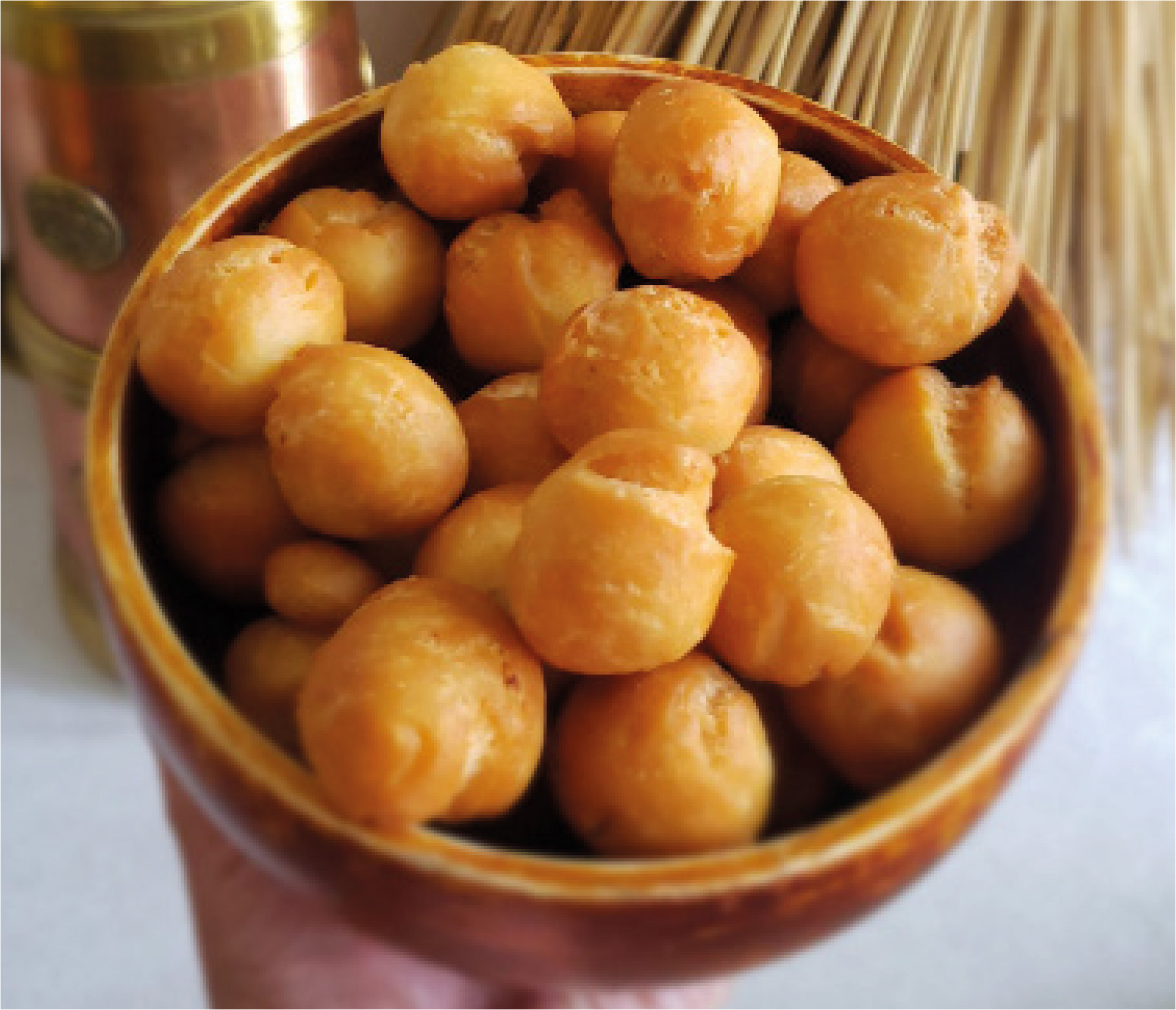
The most anticipated event of the year in Mongolia is the Lunar New Year celebrations, which will take place in February 2024. On the eve of the new year, families will gather to spend time together. At midnight, all the doors and windows of the house are opened to let the oldyear depart. It is a typical Mongolian custom on the eve or morning of the feast to slaughter some animals, boil their five main internal organs in salted water and place them on the table with a specially prepared blood saussage. A variety of dairy products are served alongside the meat, which is the main course. The desserts are the round sugar jévent and the salted bortzog.

Nepal
The first day of the New Year in Nepal falls toApril 2024. The “Nepal Sambat” is marked by cultural events throughout the country, which include traditional religious ceremonies as well as parades. After the celebrations, on New Year’s Day, people look back on the past year and make vows to achieve further success. People greet each other and make special treats. These include yomari, made from rice flour and enriched with sweet fillings. On New Year’s Day, sel roti, a special Nepalese doughnut made from rice flour, is served, as well as aalu tama, a Nepalese soup made from potatoes, bamboo and other vegetables.

Ukraine
In Ukraine, the New Year is usually celebrated with festive events on the night of 31 December to 1 January. It is a time for families and friends to get together and give each other presents. In many towns and cities, they admire grand fireworks displays, have fun, dance and enjoy the festivities. It is believed that the more food is on the table, the richer the coming year will be. Their traditional dishes are fat, sausages, pickles and sweet cakes. They prefer to eat pork at these times because they believe it will contribute to the family’s well-being in the coming year. The most popular drinks are mulled wine, cognac and whisky.

Philippines
New Year’s Eve in the Philippines is full of folkl traditions. One of the most popular of these is the custom of eating 12 round fruits: round dishes are placed on the New Year’s table to symbolize plenty and riches, and long noodles are eaten for long health. They drive away evil spirits with a loud noise and wait for good luck to arrive on 1 January with a flood of light.